Address
304 North Cardinal
St. Dorchester Center, MA 02124
Work Hours
Monday to Friday: 7AM - 7PM
Weekend: 10AM - 5PM
Address
304 North Cardinal
St. Dorchester Center, MA 02124
Work Hours
Monday to Friday: 7AM - 7PM
Weekend: 10AM - 5PM
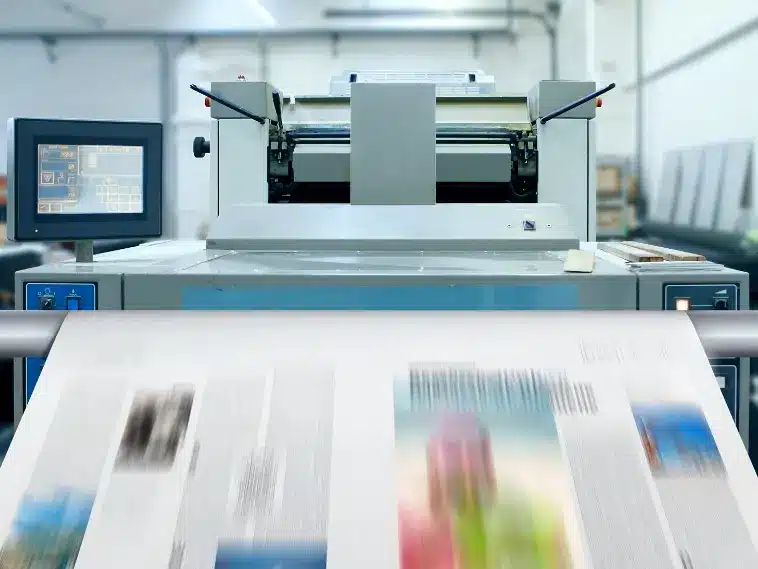
When you receive a quote for custom packaging, you might look at the final number and wonder: “How exactly was this calculated?”
Packaging printing is a complex manufacturing process involving dozens of steps. From the initial design sketch to the final delivery truck, every stage carries a specific cost. At Kore Create, we believe in complete transparency. Understanding these costs not only helps you decipher your quote but also empowers you to make smarter budget decisions.
Here is the comprehensive breakdown of what makes up the cost of a custom box.
Before a machine starts running, you need a design. Costs here vary wildly based on who you hire:
This covers everything needed to prepare your files for the press.
This is usually the largest portion of your bill. It includes the paper stock, ink, and foils.
Pro Tip for Cost Saving: Material cost is calculated by usage. However, “Imposition” (how many boxes fit on one big sheet of paper) matters immensely. Sometimes, reducing your box size by just 5mm allows us to fit more boxes on a sheet, drastically reducing paper waste and material cost.
This is where the “Economy of Scale” comes in.
The “Make-ready” Cost (Start-up Fee): Every time we start a massive offset printer, there is a fixed cost for calibrating colors, aligning plates, and wasting some paper for testing.
The Result: If you print 500 boxes, you pay that full startup cost. If you print 10,000, that cost is divided by 10,000 units. This is why unit prices drop significantly as quantities rise.
This includes all the special effects that make your box pop. These are usually calculated by area (sqm) or per piece.
Don’t forget the final steps to get the product to your door:
Total Cost = Design + Pre-press + Materials + Labor (Setup + Run) + Finishing + Logistics + Tax.
By understanding this formula, you can see where to optimize. Maybe you don’t need 3 different foil colors? Maybe adjusting the size saves 20% on paper?
Need a quote that makes sense? Request a transparent estimate from Kore Create today.