Address
304 North Cardinal
St. Dorchester Center, MA 02124
Work Hours
Monday to Friday: 7AM - 7PM
Weekend: 10AM - 5PM
Address
304 North Cardinal
St. Dorchester Center, MA 02124
Work Hours
Monday to Friday: 7AM - 7PM
Weekend: 10AM - 5PM
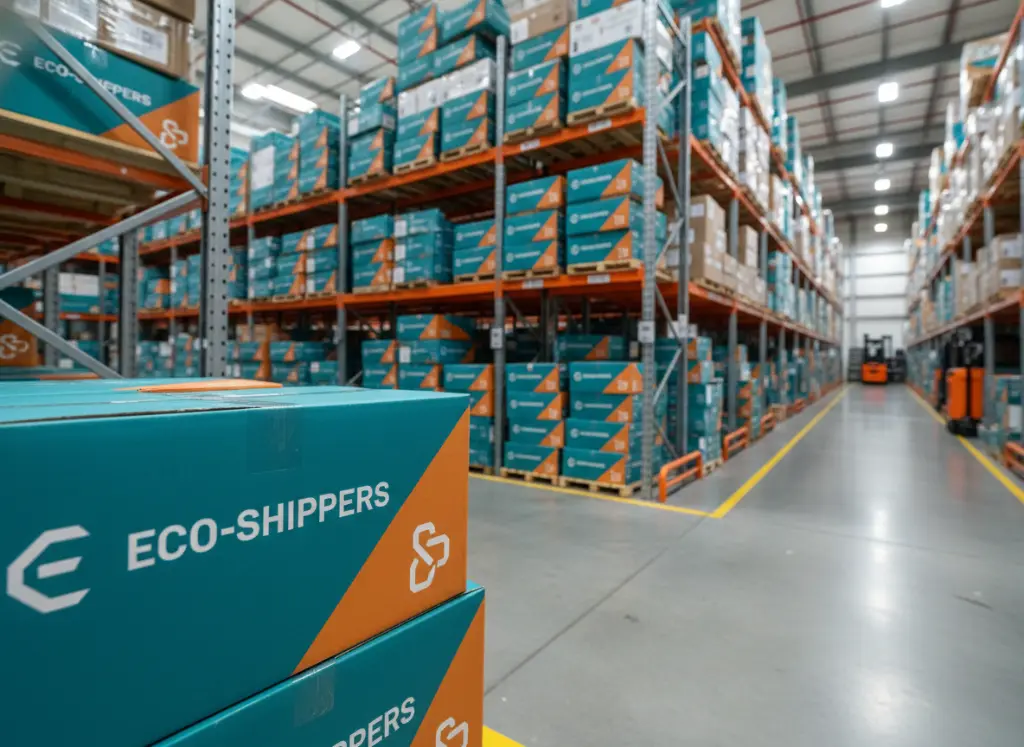
For many entrepreneurs, the journey begins at a kitchen table. You hand-stamp every box, tie every ribbon, and write every thank-you note. It’s personal, charming, and cost-effective—until it isn’t. As your order volume climbs, that charming DIY process becomes a bottleneck that stifles growth. Finding the right custom packaging for small business isn’t just about aesthetics; it’s a strategic pivot from “maker” to “manufacturer.”
At Kore Create, we specialize in helping startups navigate this transition. Scaling your packaging is a rite of passage that signals your brand is ready for the big leagues. This guide breaks down the three phases of scaling your packaging without breaking your bank account.
In the early days, DIY packaging is a badge of honor. However, there is a hidden “opportunity cost” associated with every hand-stamped logo. If you are spending five hours a week stamping boxes, that is five hours you aren’t spending on product development or customer acquisition.
The DIY trap is real:
You don’t have to jump from a plain mailer to a fully custom-molded box overnight. A low MOQ packaging strategy allows you to test the waters. This “Semi-Custom” phase uses high-quality stock materials paired with targeted custom elements.
By focusing on these “add-ons,” you maintain low minimum order quantities (MOQs) while gradually moving away from the “home-office” look. At Kore Create, we often suggest this route for brands doing 50–100 orders per month.

The most significant leap in your brand’s lifecycle is the first bulk order. This is where you move from buying retail components to sourcing factory-direct.
Most specialized packaging factories have MOQs starting at 500 units for custom rigid boxes or mailers. While the upfront cost is higher, the packaging for startups math is undeniable:
Working with a partner like Kore Create ensures that your design is optimized for manufacturing. Did you know that 70% of manufacturing costs are determined during the design phase? We help you “design for cost” so your first bulk order is as profitable as possible.

Moving from handmade labels to factory-direct packaging is more than a design change—it’s a growth strategy. By moving through the semi-custom phase and into bulk manufacturing, you protect your margins and build long-term customer loyalty.
Ready to take the leap? Kore Create bridges the gap between startup dreams and factory reality. Whether you need help with a low MOQ packaging strategy or are ready for your first 5,000-unit run, our team is here to ensure your brand arrives in style.
Contact Kore Create Today to start your sourcing journey.