Address
304 North Cardinal
St. Dorchester Center, MA 02124
Work Hours
Monday to Friday: 7AM - 7PM
Weekend: 10AM - 5PM
Address
304 North Cardinal
St. Dorchester Center, MA 02124
Work Hours
Monday to Friday: 7AM - 7PM
Weekend: 10AM - 5PM
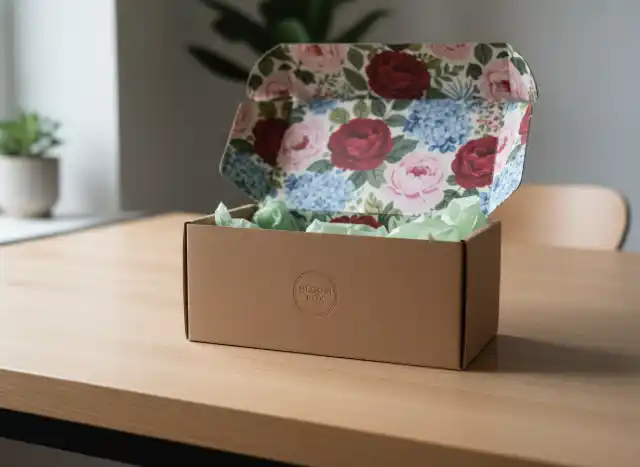
In the explosive world of Direct-to-Consumer (D2C) retail, your packaging is the only physical touchpoint you have with your customer. While luxury brands often gravitate toward “Rigid Boxes” (think iPhone packaging), the reality of high-volume shipping requires a more practical, yet equally impactful solution. Enter custom corrugated mailer boxes.
These boxes have become a non-negotiable for e-commerce because they ship flat, assemble in seconds without tape, and provide a rigid structure that protects products through the “last mile” of delivery. At Kore Create, we’ve seen a massive shift toward these versatile containers as brands look to optimize their Packaging Sourcing strategies for both scale and sustainability.
The strength and aesthetic of a corrugated box are determined by its “fluting”—the wavy paper layer sandwiched between two liners. When ordering custom corrugated mailer boxes, you will typically choose between two main types:
1. E-Flute (The Retail Standard)
2. B-Flute (The Heavy-Duty Shipper)

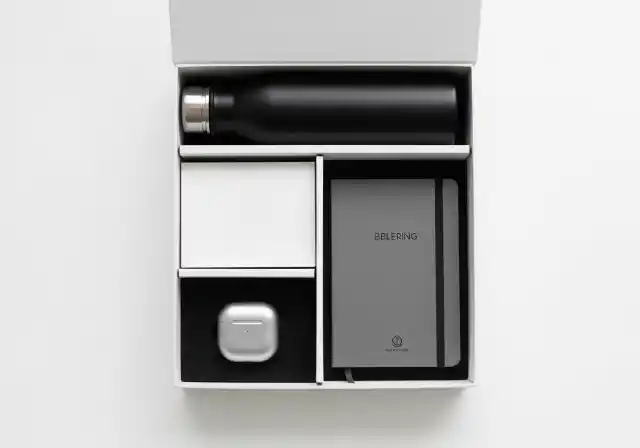
One of the most effective branding strategies in D2C is the “Stealth Exterior, Vibrant Interior” approach.
This “unboxing moment” is statistically significant. According to recent industry data, 72% of consumers say that packaging design influences their purchase decisions, and 56% are more likely to shop with a brand again if the packaging feels premium.
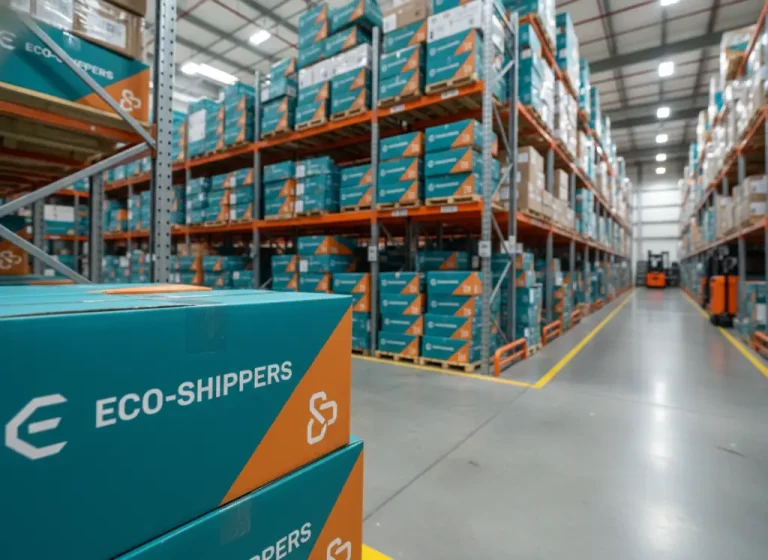
In a warehouse environment, your boxes aren’t just sitting still; they are stacked. To ensure your custom corrugated mailer boxes don’t collapse, you must understand the Edge Crush Test (ECT).
Unlike the older “Mullen Test” (which measures puncture resistance), the ECT measures how much pressure the edges of the box can withstand before buckling.
By choosing the right ECT rating, you minimize “product damage claims,” which currently cost e-commerce retailers billions annually. At Kore Create, we always recommend a sample run to test your specific product’s weight against the chosen board grade.

When scaling to thousands of units, every cent matters. For high-volume e-commerce shipping boxes, Flexographic (Flexo) printing is king.
Pro-Tip: Use a 1-color Flexo print on a white or Kraft background for your main shipping volume. It looks professional, builds brand recognition, and keeps your margins healthy.
The mailer box is no longer just a container; it is a strategic asset. By mastering the technical nuances of fluting, board strength, and printing techniques, you can protect your bottom line while delighting your customers. Whether you are launching a new subscription box packaging line or optimizing your global logistics, Kore Create is here to help you navigate the complexities of modern manufacturing.
Ready to elevate your shipping game? Explore our Sustainable Packaging Guide to learn how to go green without sacrificing strength.