Address
304 North Cardinal
St. Dorchester Center, MA 02124
Work Hours
Monday to Friday: 7AM - 7PM
Weekend: 10AM - 5PM
Address
304 North Cardinal
St. Dorchester Center, MA 02124
Work Hours
Monday to Friday: 7AM - 7PM
Weekend: 10AM - 5PM
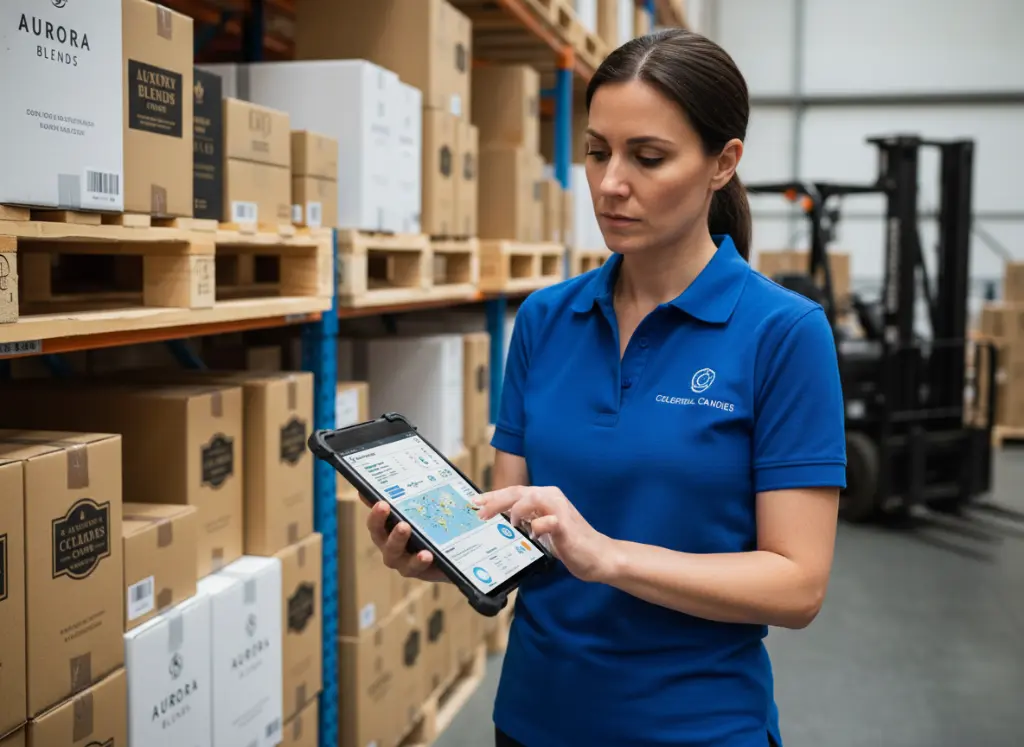
For many B2B brands, the dream of achieving the lowest per-unit price often turns into a logistical nightmare. You secure a massive discount on 10,000 custom boxes, only to realize they require three full shipping containers of space you don’t have. This “inventory backlog” ties up capital and clutters operations. Effective packaging inventory management is no longer just about storage—it is about balancing the economies of scale with the agility of just in time manufacturing packaging.
At Kore Create, we specialize in solving the “space vs. price” paradox. By leveraging strategic sourcing and flexible logistics, we help brands scale their packaging needs without drowning in physical boxes.
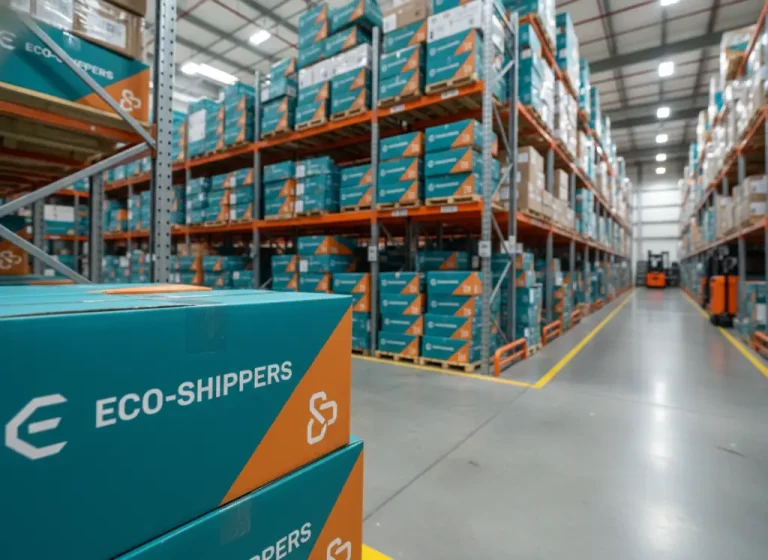
The most common challenge in bulk order storage involves rigid boxes. Because they are often shipped pre-assembled, they are essentially “shipping air.”
Consider this: 1,000 standard rigid gift boxes can easily occupy 2 to 3 full pallets. If your brand manages five different SKUs, you are suddenly looking at 15 pallets of empty space. In high-rent industrial zones where warehouse space can cost $15–$20 per square foot annually, the “savings” you gained from a bulk discount are quickly eaten away by storage overhead.
Recent industry data suggests that inventory carrying costs—including rent, insurance, and labor—can range from 15% to 35% of the total inventory value. If your packaging sits for six months, you aren’t just losing space; you’re losing liquidity.
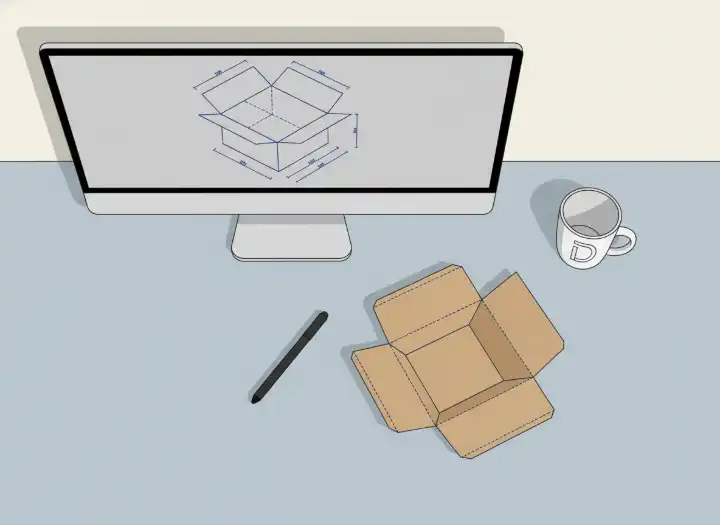
One of the most effective ways Kore Create helps clients optimize their packaging inventory management is through structural engineering. Traditional rigid boxes are fixed, but Flat-Pack (Collapsible) Rigid Boxes offer the same premium feel with a fraction of the footprint.
By switching to flat-pack designs, a brand can store 5,000 units in the same space previously required for 1,000, effectively future-proofing their Sourcing Services for rapid growth.

What if your product requires a non-collapsible design, but you still want the 10,000-unit price break? This is where just in time manufacturing packaging through split shipments becomes a game-changer.
Instead of taking delivery of your entire order at once, Kore Create offers a “Blanket Order” strategy:
This approach reduces your on-site bulk order storage needs and improves cash flow. According to logistics benchmarks, implementing split shipments can reduce a company’s immediate holding costs by 20% while ensuring they never face a stockout during unexpected demand surges.
In the world of packaging inventory management, timing is everything. A 2024 report by PMMI found that 75% of industry leaders are concerned about delivery delays and part availability.
To avoid the Q4 crunch, your sourcing strategy must be proactive. For a major event like Black Friday, the “3-Month Rule” applies:
Waiting until September to order custom packaging is a recipe for high-cost air freight or, worse, empty shelves.

Effective packaging inventory management is the bridge between high-volume savings and lean operational efficiency. Whether you choose to optimize your space with flat-pack designs or utilize our split-shipment programs, the goal is the same: keep your capital moving and your warehouse clear.
Don’t let empty boxes dictate your business’s physical limits. Contact Kore Create today to design a custom sourcing and warehousing plan that fits your brand’s growth trajectory.