Address
304 North Cardinal
St. Dorchester Center, MA 02124
Work Hours
Monday to Friday: 7AM - 7PM
Weekend: 10AM - 5PM
Address
304 North Cardinal
St. Dorchester Center, MA 02124
Work Hours
Monday to Friday: 7AM - 7PM
Weekend: 10AM - 5PM
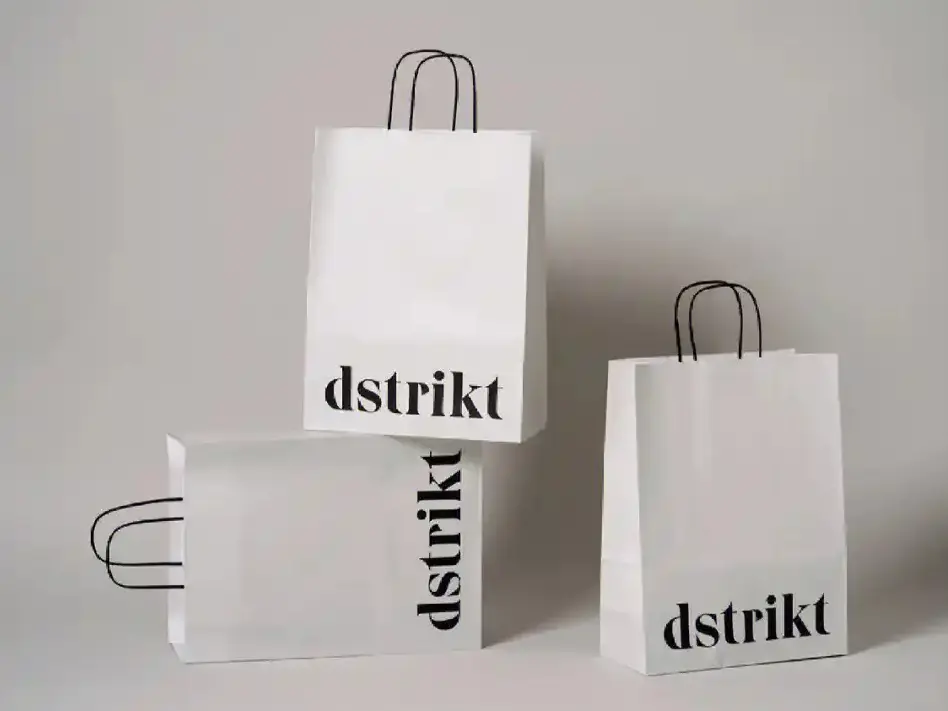
In the world of packaging, the humble paper bag is a giant. It is sustainable, versatile, and acts as a walking billboard for your brand. But not all paper bags are created equal. From the simple grocery sack to the luxury laminated tote, the structure dictates the function.
Are you looking to source custom paper bags but confused by the terminology? This guide breaks down the industry classifications and manufacturing standards to help you make the right choice.
The shape of the bag depends entirely on what you are putting inside.
Paper bags are engineered for their specific load-bearing needs.
At Kore Create, we adhere to strict manufacturing standards to ensure durability and aesthetic perfection. Here are the specs for a standard Luxury Handheld Paper Bag:
Choosing a standard size saves money because it fits standard paper sheet sizes (minimizing waste). Here are the most common specs:
| Size Type | Dimensions (L x W x H) | Best For |
|---|---|---|
| Small (S) | 18 × 7 × 27 cm | Cosmetics, Jewelry, Small Gifts |
| Medium (M) | 22 × 8 × 30 cm | Books, A5 Documents, T-shirts |
| Large (L) | 27 × 10 × 38 cm | A4 Documents, Light Clothing |
| Extra Large (X) | 32 × 10 × 45 cm | Shoeboxes, Heavy Apparel |
| Square Tote (T) | 24 × 10 × 24 cm | Trendy Retail, Gift Sets |
Kraft paper is tough and eco-friendly, while coated art paper offers vibrant color reproduction. The choice depends on your brand image and budget.
Not sure which size fits your product? Send us your product dimensions, and we will engineer the perfect packaging solution for you.