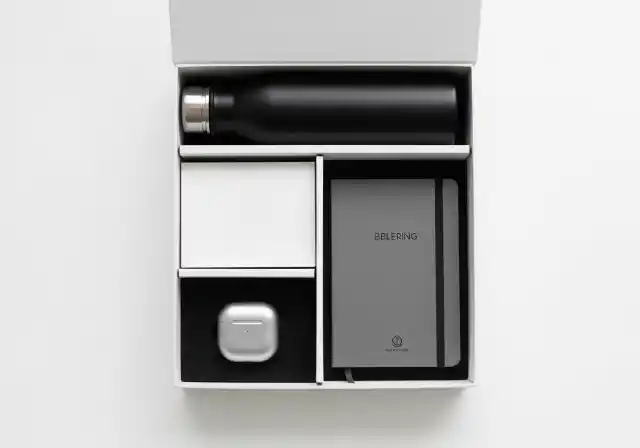
The Ultimate Guide to Custom Notebook Printing: Sizes, Materials, and Process

A notebook is more than just stationery; it is a daily companion. For businesses, a branded notebook is one of the most effective marketing tools available. It offers high visibility, long-term utility, and a premium feel.

However, moving from a generic idea to a finished product involves many technical decisions. What is “16K” size? Should you choose PU or real leather? Which binding lays flat? This guide takes you behind the scenes of notebook manufacturing to help you make the best choice for your brand.

1. Decoding Notebook Sizes: What is 16K, 24K, 32K?

In the professional printing world, we often use “K” sizes (Kai) rather than just A4 or A5. Here is the standard conversion chart to help you visualize the actual size:

  • 16K (Approx. B5/A4 Hybrid):
    • Cover: 270×210mm | Core: 258×188mm
    • Best for: Desk diaries, meeting minutes, and executive planners.
  • 24K (Approx. A5):
    • Cover: 235×175mm | Core: 210×190mm
    • Best for: The “Gold Standard” for corporate gifts. Portable yet spacious enough for notes.
  • 32K (Standard Portable):
    • Cover: 218×154mm | Core: 208×144mm
    • Best for: Handbag-friendly notebooks and event giveaways.
  • 48K & 56K (Pocket Sizes):
    • Smaller sizes for quick memos and shirt pockets.

2. Customization: Covers and Features

The cover sets the tone. Standard MOQ (Minimum Order Quantity) is usually 500 units.

  • Materials:
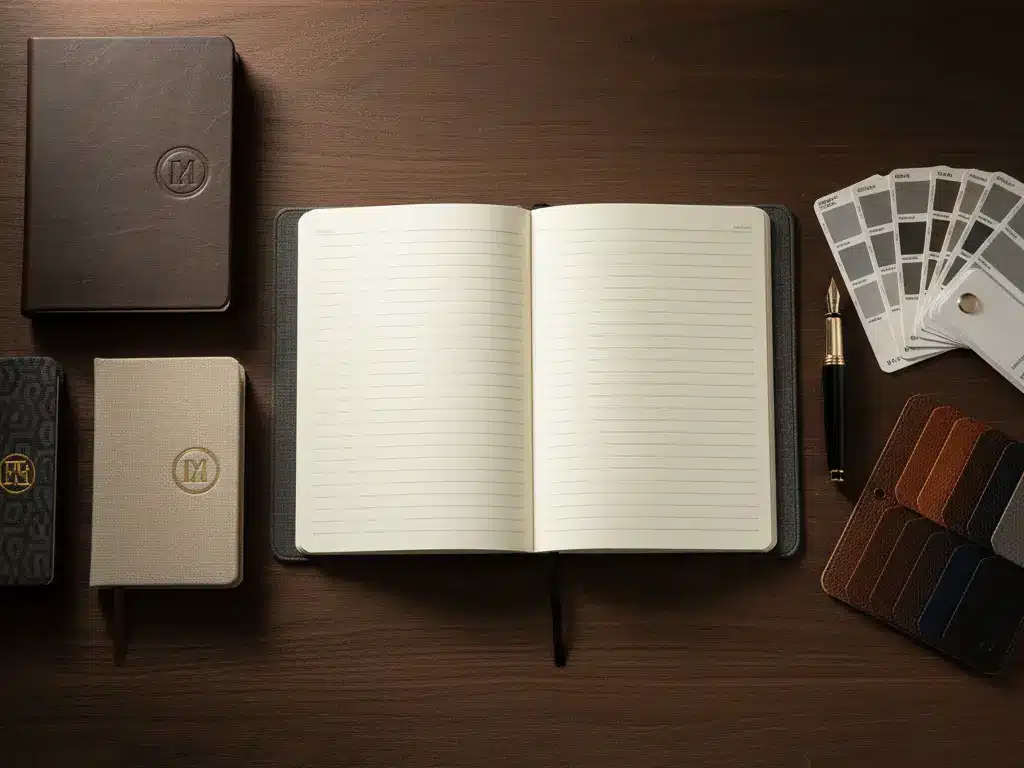
    • PU Leather: The most popular choice. “Color-Changing PU” reacts to heat embossing, making your logo turn a darker, premium shade.
    • Genuine Leather: For VIP high-end gifting.
    • Hardcover Paper/Art Paper: Allows for full-color graphic printing.
  • Branding: You can add logos via embossing, hot foil stamping (Gold/Silver), or UV printing.
  • Add-ons: Don’t forget the details: pen loops, business card pockets, and ribbon bookmarks increase utility.

3. The Manufacturing Process: From Design to Binding

How does a notebook come to life?

Step 1: Design & Pre-Press

Just like any print job, designers must set the file in CMYK color mode and add a 3-5mm bleed. For the inner pages (Wood-free paper/Dao Lin paper is best for writing), simple lines or grids are standard, but you can add custom full-color advertising inserts at the front or back.

Step 2: Printing & CTP

We use CTP (Computer-to-Plate) technology for precision.

  • Offset Printing: Used for the inner lined pages to ensure consistency across thousands of books.
  • Digital Printing: Used for personalized names on covers or small batches.

Step 3: Binding (The Critical Choice)

The binding determines durability and user experience.

  • Thread-Sewn Glue Binding (Hardcover): The best choice. Pages are sewn together and glued. It allows the notebook to lay 180° flat on a desk without closing.
  • Wireless Glue Binding (Perfect Binding): Cheaper, but the book won’t lay flat and pages may fall out over time.
  • Saddle Stitch: For thin notebooks (under 64 pages).
  • Wire-O/Spiral: Great for students or field work, as it can fold back on itself 360°.

Conclusion

A custom notebook is a brand ambassador that sits on your client’s desk 365 days a year. By choosing the right size, cover material, and binding method, you ensure that ambassador represents quality.

Ready to start your custom project? Contact us for a material swatch book and quote.

Newsletter Updates

Enter your email address below and subscribe to our newsletter