Address
304 North Cardinal
St. Dorchester Center, MA 02124
Work Hours
Monday to Friday: 7AM - 7PM
Weekend: 10AM - 5PM
Address
304 North Cardinal
St. Dorchester Center, MA 02124
Work Hours
Monday to Friday: 7AM - 7PM
Weekend: 10AM - 5PM
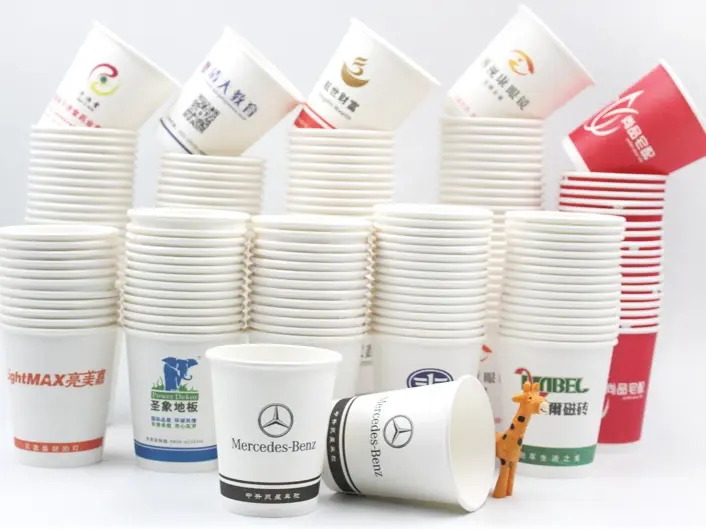
Whether in a coffee shop, an office, or a conference, paper cups are everywhere. For businesses, they are a powerful “mobile billboard.” A custom cup puts your brand directly in your customer’s hand for 10-20 minutes.
However, unlike a flyer, a paper cup touches your customer’s lips. Safety is not just a regulation; it’s a brand reputation issue. If a cup smells like chemicals or uses unsafe ink, it ruins the user experience.
At Kore Create, we prioritize safety just as much as aesthetics. Here is what you need to know about the intersection of safety regulations and advertising impact.
To ensure food safety, national and international standards dictate strict “No-Ink Zones.” When designing your cup, you must adhere to these rules:
Paper cup printing is highly technical. We typically use Water-Based Flexographic Inks because they are eco-friendly and odorless.
Once safety is guaranteed, the cup becomes a marketing tool.
A custom paper cup is a handshake between your brand and your customer. It needs to be firm, safe, and visually impressive.
Looking for a partner who understands food safety regulations? Contact us to start your custom cup project.