Embossing vs. Debossing: Which is Right for Your Logo?

Key Takeaways

  • Embossing creates a raised 3D effect, ideal for making logos “pop” on custom embossed boxes.
  • Debossing pushes the design into the material, offering a sophisticated, sunken look favored for custom notebooks.
  • Blind Embossing refers to creating these textures without ink or foil, relying solely on light and shadow.
  • Material Choice is Critical: Use paper with at least 220 GSM and long fibers to prevent cracking during the die-pressing process.
  • Subconscious Impact: Tactile finishes influence 95% of purchasing decisions by engaging the consumer’s sense of touch.

In an increasingly digital marketplace, the physical “unboxing” experience has become a brand’s most powerful handshake. At Kore Create, we understand that a logo shouldn’t just be seen—it should be felt. When designing premium packaging, two techniques dominate the tactile landscape: embossing and debossing.

While they may seem like two sides of the same coin, the choice between a raised or a recessed logo can fundamentally alter your brand’s perceived value. Whether you are developing custom embossed boxes for a luxury product or sleek custom notebooks for a corporate gift, understanding the technical nuances of these print finishes is essential for a flawless result.

Embossing: The Power of the Raised Impression

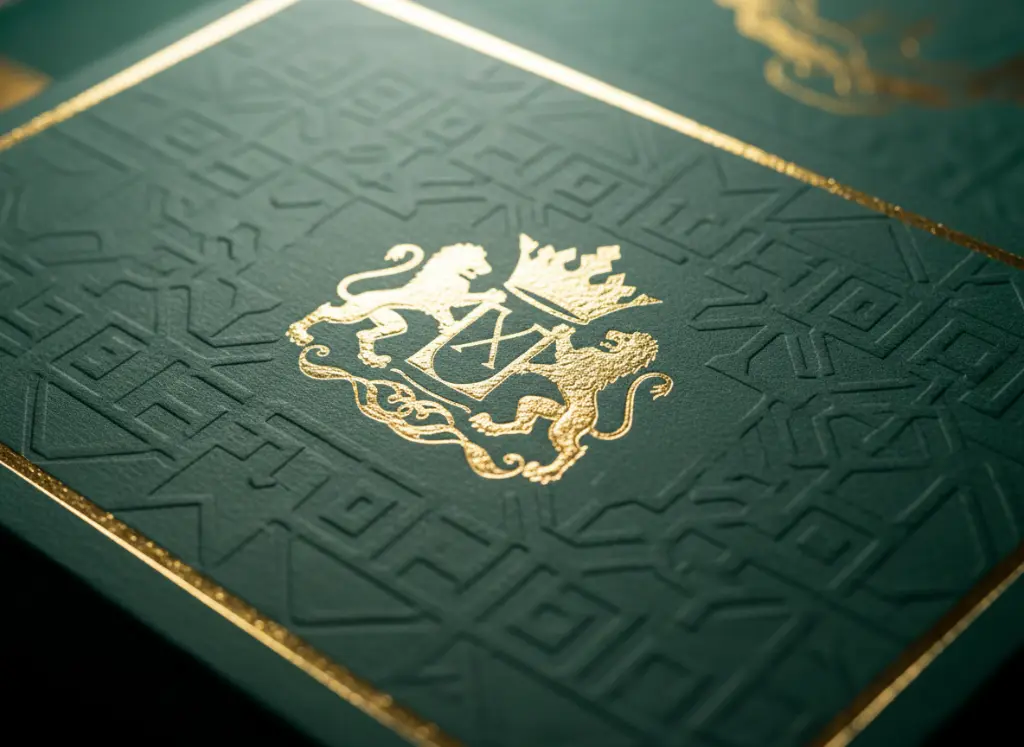
Embossing is the process of using a male and female die to press a design upward from the back of the material. This creates a three-dimensional effect that literally stands out.

Why Choose Embossing?

  • Visual Prominence: Because the design is raised, it catches the light from multiple angles, creating natural highlights and shadows that draw the eye.
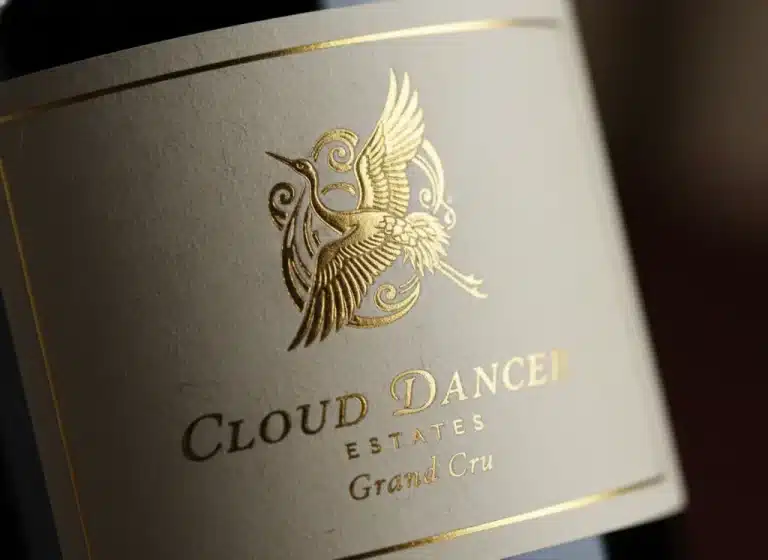
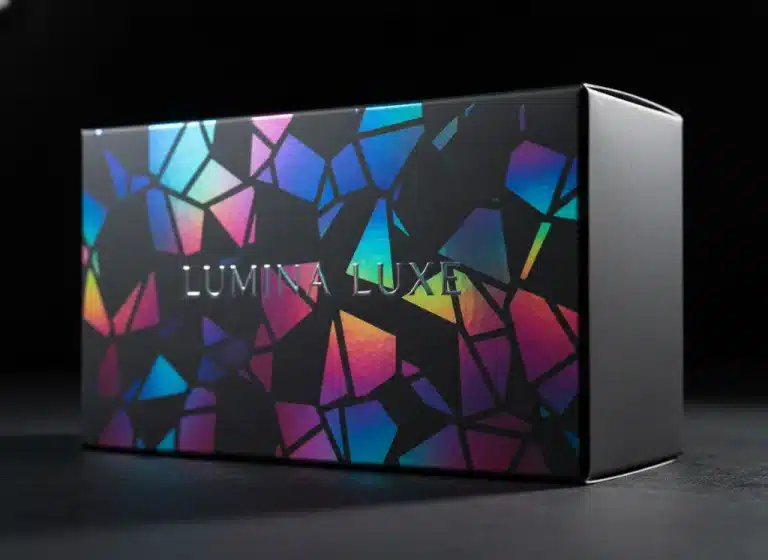
  • Foil Integration: Embossing is frequently paired with foil stamping (known as “combo stamping”). This is a staple for custom embossed boxes in the cosmetics and spirits industries, where a metallic, raised logo signals high-end quality.
  • Multi-Level Depth: Advanced “multi-level” dies can create varying heights within a single logo, offering a sculptural quality that is impossible to replicate with standard printing.

Debossing: Understated Elegance and Depth

Debossing is the inverse of embossing. It involves pressing a die into the front of the material, creating a permanent indentation or “depression.”

Best Applications for Debossing

  • Thick Materials: Debossing excels on heavy-duty materials like leather, vegan leather, and high-density greyboard. This makes it the premier choice for custom notebooks and journals.
  • Clean Aesthetics: Unlike embossing, which leaves a mirrored indentation on the reverse side of the paper, debossing on thick materials (like those used in Rigid Boxes can be deep enough to be felt without affecting the interior lining of the box.
  • Minimalist Branding: A debossed logo feels integrated into the product rather than applied to it, conveying a sense of permanence and heritage.
Debossed Logo on a Premium Leather Notebook

The Art of Blind Embossing

When you apply these techniques without the use of ink or foil, it is called “blind” embossing or debossing. This is the ultimate expression of sophisticated Print Finishing.

Blind embossing relies entirely on the interplay of light and shadow. It is highly effective for brands that want to communicate “quiet luxury.” By removing the distraction of color, the consumer is forced to focus on the texture and the quality of the paper itself. It is also an eco-friendly alternative to foil, as it requires no additional materials beyond the paper and the metal die.

Paper Considerations: Preventing the “Crack”

One of the most common mistakes in custom manufacturing is choosing the wrong substrate for tactile effects. At Kore Create, we recommend the following specifications for optimal results:

  • GSM (Grams per Square Meter): For a deep, visible impression, use paper that is at least 220 GSM (approx. 80 lb cover). Thinner papers may tear or fail to hold the shape.
  • Fiber Length: Long-fiber papers are more flexible. Short-fiber papers are brittle and will “crack” at the edges of the emboss, ruining the premium look.
  • Cotton Content: Papers with a high cotton percentage are softer and more “compressible,” allowing for much deeper debossing without puncturing the sheet.
Comparison of Blind Embossing vs. Foil Stamping

Data-Backed Evidence: Why Tactile Matters

The decision to invest in custom embossed boxes isn’t just about aesthetics; it’s backed by neuromarketing data:

  • Buying Decisions: According to industry studies, 72% of consumers agree that packaging design influences their purchasing decisions.
  • Brand Loyalty: 40% of shoppers are more likely to repurchase from a brand that uses premium, gift-like packaging.
  • Subconscious Processing: Behavioral experts estimate that 95% of purchasing decisions occur in the subconscious mind, where tactile sensations (the “haptic” experience) play a major role in establishing trust and perceived value.

Conclusion: Which is Right for You?

If your brand identity is bold, modern, and high-energy, embossing (especially paired with foil) will provide the “wow” factor you need. If your brand is heritage-focused, minimalist, or artisanal, debossing offers a level of sophistication that speaks volumes without saying a word.

At Kore Create, we specialize in helping brands navigate these technical choices to create packaging that leaves a lasting impression. From the initial die design to the final paper selection, we ensure your logo is more than just a mark—it’s an experience.

Ready to elevate your brand? Explore our options for [Custom Notebooks](https://korecreate.com/custom-notebooks) and luxury packaging today.

Newsletter Updates

Enter your email address below and subscribe to our newsletter