Address
304 North Cardinal
St. Dorchester Center, MA 02124
Work Hours
Monday to Friday: 7AM - 7PM
Weekend: 10AM - 5PM
Address
304 North Cardinal
St. Dorchester Center, MA 02124
Work Hours
Monday to Friday: 7AM - 7PM
Weekend: 10AM - 5PM
In the world of B2B manufacturing, one question consistently creates friction between brands and suppliers: “Why does a single box cost $150 to sample when the unit price is only $1.50?”
It is a valid concern. When you are budgeting for a product launch, seeing a triple-digit packaging prototype cost for a single unit can feel like price gouging. However, the reality of the factory floor is much more complex. At Kore Create, we believe that transparency is the foundation of trust. To understand the cost, you must understand the process—and why skipping it is the most expensive mistake you can make.
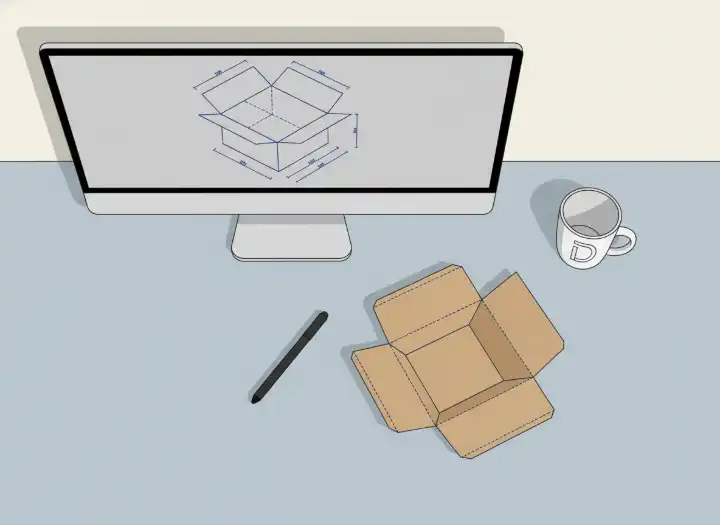
The first step in the sampling journey is the Digital Proof. This is a 2D or 3D digital rendering of your artwork mapped onto a dieline.
What it’s for: Checking spelling and legal copy.Verifying logo positioning and orientation.Reviewing the dieline structure (where the folds and glue lines are).
Because this happens entirely in software, Kore Create provides these proofs free of charge. It is your “sanity check” before any physical material is touched. While digital proofs are excellent for layout, they cannot convey the tactile feel of the paper or the exact “pop” of a Pantone color.
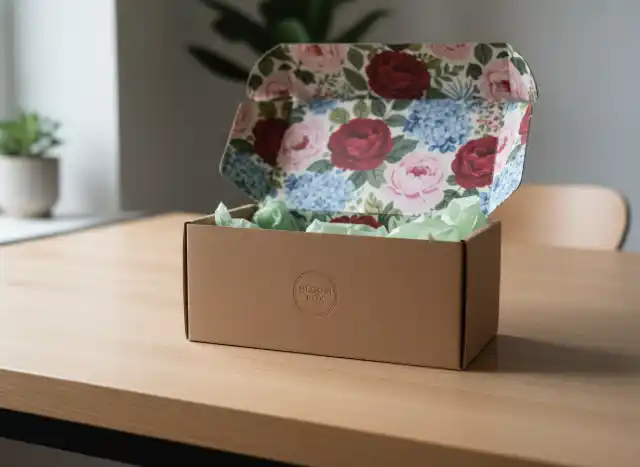
Before you commit to printing, you need to know if your product actually fits. This is where the Plain Dummy Sample comes in. This is a custom box sample made from the actual material (e.g., 350gsm ivory board or corrugated E-flute) but without any printing.
The “Form and Fit” Test:
If you are shipping a fragile glass bottle or a complex electronics kit, a 1mm discrepancy in the internal dimensions can lead to breakage during transit. According to industry data, structural prototypes help identify fitment issues in 30% of new projects before they reach the printing stage.
Cost Insight: These samples are relatively inexpensive (usually $30–$60) because they use a digital cutting plotter rather than a physical die-cut mold. They are essential for verifying the “unboxing experience” and structural integrity.

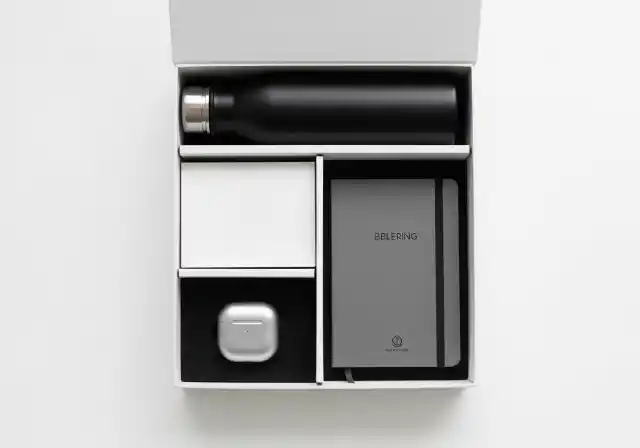
This is the stage that causes the most “sticker shock.” A pre-production sample (PPS) is a fully finished, printed, and treated version of your box. It is identical to what will come off the mass production line.
Why does it cost $100 – $250?
To make just one unit, a factory must essentially “stop the world.”
Expert Insight: Research shows that the break-even point between digital and offset printing is typically around 2,000 units. For a single sample, you are paying for the entire industrial setup of a 10,000-unit run, condensed into one box.
Investing in a physical packaging prototype cost is actually a form of insurance. Consider these statistics:

At Kore Create, we understand that the initial cost of a pre-production sample can be a hurdle. To mitigate this and show our commitment to your project, we offer a transparent Sample Fee Credit policy.
When you pay for a physical sample, you aren’t just buying a box; you are initiating the technical setup for your order. If you proceed with the bulk production (typically meeting a minimum order quantity), Kore Create deducts the sample fee from your final invoice.
This ensures that for serious buyers, the “expensive” sample eventually becomes free. It aligns our interests with yours: we want to ensure the quality is perfect so that the bulk order is a guaranteed success.
A custom box sample is more than a piece of cardboard; it is a physical contract between you and the manufacturer. While the packaging prototype cost may seem high at first glance, it represents the labor, precision, and machine time required to guarantee that your brand’s first impression is flawless.
Ready to see your design in 3D? Contact the experts at Kore Create today to start your Sourcing Services journey and ensure your Quality Control starts with a perfect sample.