Address
304 North Cardinal
St. Dorchester Center, MA 02124
Work Hours
Monday to Friday: 7AM - 7PM
Weekend: 10AM - 5PM
Address
304 North Cardinal
St. Dorchester Center, MA 02124
Work Hours
Monday to Friday: 7AM - 7PM
Weekend: 10AM - 5PM
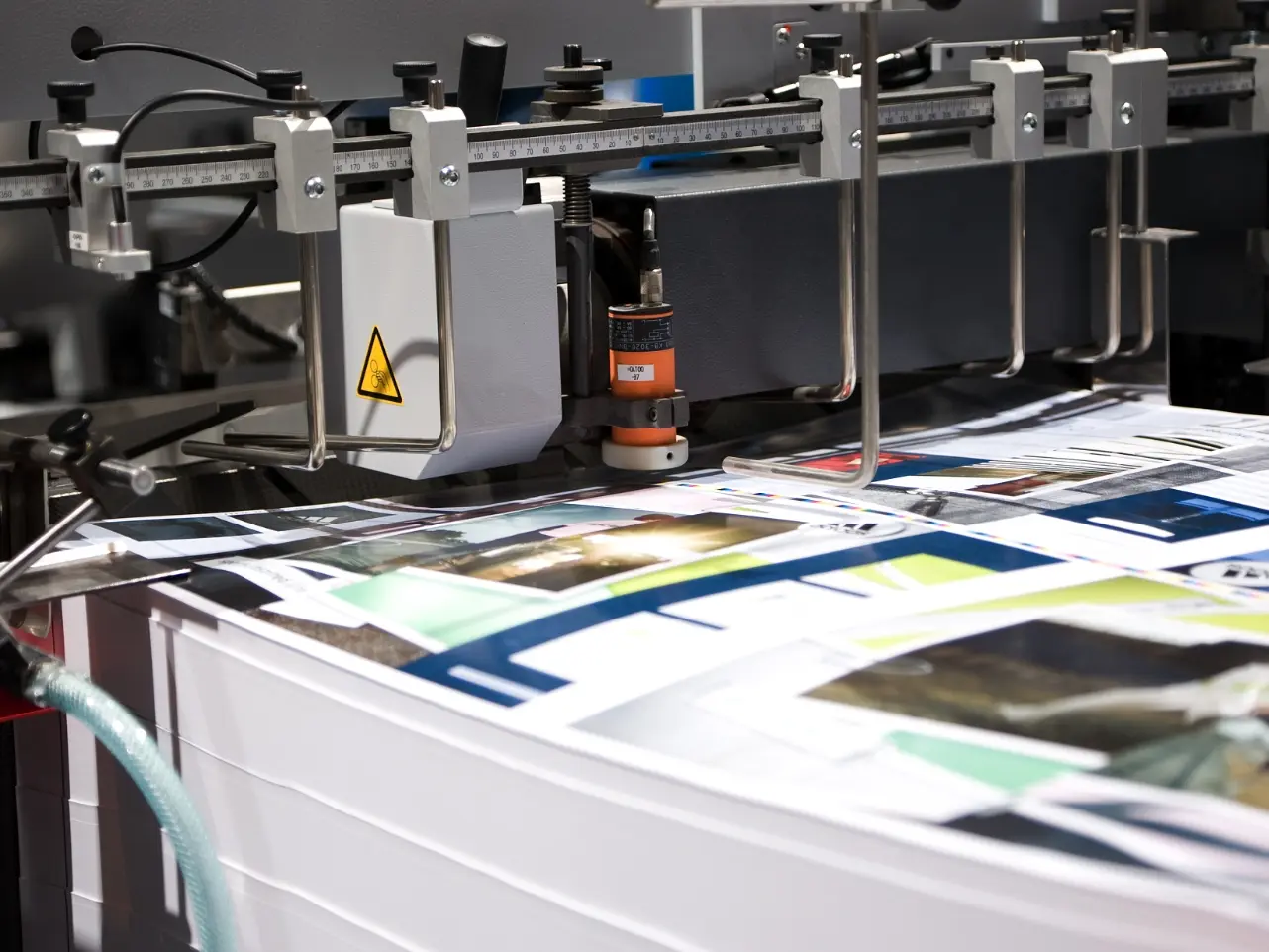
Digital design is visually perfect, but printed design is tactile. The paper you choose is not just a canvas; it is part of the user experience. A luxury watch catalog printed on thin, flimsy paper loses all value, regardless of how beautiful the photography is.
With thousands of paper options available, how do you choose the right one? Based on decades of printing experience, here are the 10 essential factors every designer must consider before finalizing a project.
Don’t wait until the design is finished to think about paper. Once your initial concept is approved, contact your printer for paper samples and quotes. Knowing the lead time for specific paper stocks early on helps you avoid missed deadlines.
Ask yourself: Is this a direct mail flyer that will be read once and recycled, or is it a corporate annual report meant to sit on a shelf for years?
The finish of the paper dramatically affects the “vibe” of the design.
Not all white is created equal.
Weight communicates value.
Don’t guess. Check our paper weight guide for specific recommendations.
Eco-friendly is no longer “niche”—it’s expected. Designers often fear that recycled paper looks “dirty,” but modern recycled stocks are high-quality and indistinguishable from virgin pulp. Specifying FSC-certified paper is a powerful statement for your brand.
If your design includes special effects like foil stamping, embossing, or Spot UV, the paper matters.
Paper typically accounts for about 30% of the total printing cost. If your budget is tight, ask us for “house stocks”—these are high-quality papers we buy in bulk and can offer at a lower rate than specialty custom orders.
Global supply chains vary. That specific Italian texture paper you found in a swatch book from 2019 might be out of stock today. Always verify availability with your printer before presenting the option to your client.
You are a design expert; we are paper experts. Don’t rely solely on the internet. Come to the factory, feel the samples, and ask us what’s new.
Confused by the options? Schedule a consultation with Kore Create, and let us help you match the perfect paper to your design.