Address
304 North Cardinal
St. Dorchester Center, MA 02124
Work Hours
Monday to Friday: 7AM - 7PM
Weekend: 10AM - 5PM
Address
304 North Cardinal
St. Dorchester Center, MA 02124
Work Hours
Monday to Friday: 7AM - 7PM
Weekend: 10AM - 5PM
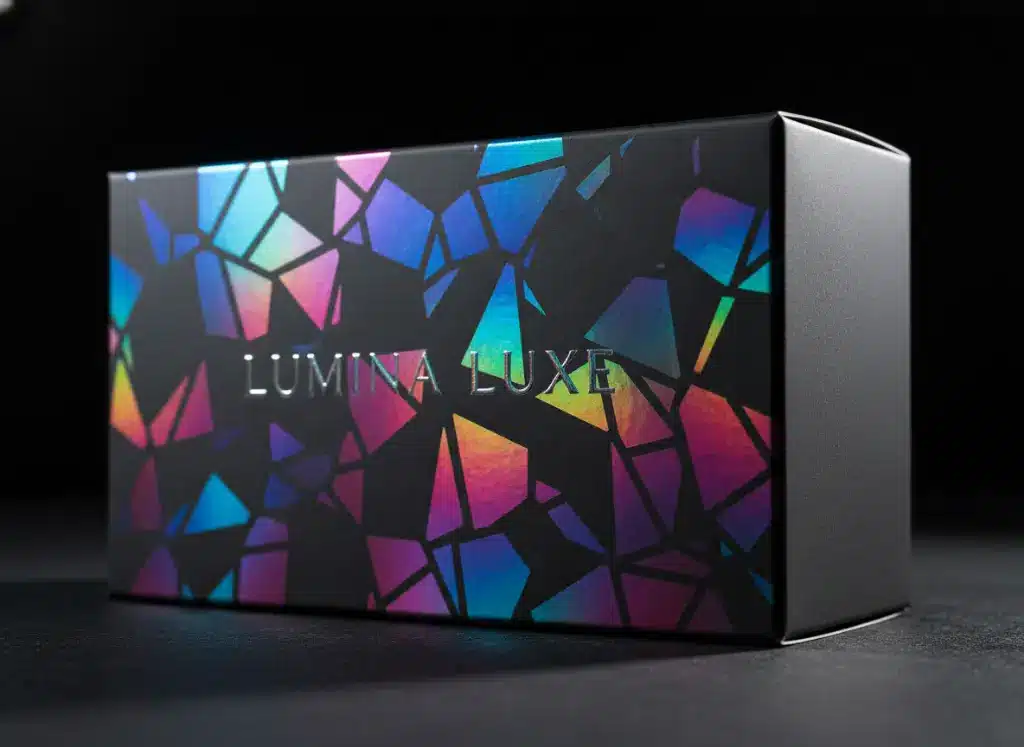
In the hyper-competitive landscape of 2026 retail, silence is not an option. Your product needs to scream from the shelf, and for Gen Z consumers, nothing speaks louder than the shifting, spectral allure of holographic design. We are witnessing a shift from the “Clean Girl” minimalism of the early 2020s to what industry experts now call “Chaos Packaging”—a design philosophy built on visual friction and high-impact aesthetics.
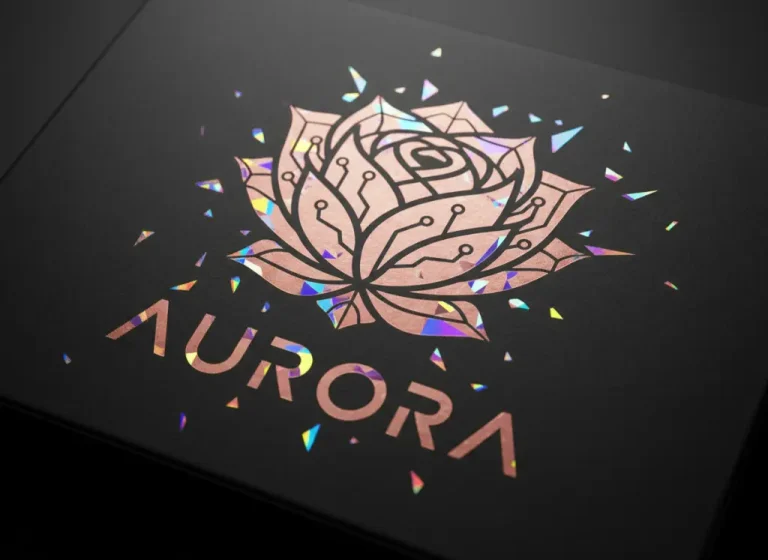
At the center of this revolution are holographic packaging boxes. These aren’t just containers; they are interactive light shows that demand attention. Whether it’s a direct-to-consumer cosmetic brand or a limited-edition tech drop, the strategic use of iridescence is proving to be the “pattern interrupt” needed to stop the scroll on TikTok and capture the shelf in retail.
This guide dives deep into the 2026 technologies driving this trend, from sustainable iridescent box printing methods to the technical nuances of holographic laminate application.
Holographic design is more than just a shiny finish; it is a psychological trigger. In 2026, the “phygital” (physical + digital) gap is closing, and packaging must perform equally well in hand and on screen. Holographic surfaces reflect light dynamically, creating a sense of movement even in static images. This “visual friction” is critical for engagement.
A prime example of this aesthetic in action is the 2026 rebranding of niche beauty players like HoloGrave Cosmetics. Their shift to “classic black and clear with holo everywhere” demonstrates exactly how brands are using high-contrast holographic elements to signal premium quality while appealing to an alternative, digitally-native demographic.
The key to mastering this look lies in understanding your material options. You are generally choosing between two primary methods: applying a film (lamination) or printing on a pre-metallized surface (paper stock).
For most brands, holographic laminate remains the most accessible and versatile entry point. This process involves applying a micro-embossed plastic film over a standard printed sheet. The film contains microscopic ridges that diffract white light into its component spectral colors.
In 2026, the technology behind these films has evolved significantly.

While lamination adds a layer on top, iridescent box printing on holographic paper stock builds the effect from the bottom up. In this method, the raw board itself is metallized with a holographic pattern before any ink touches it.
This approach offers a distinct advantage: Total Integration. Because you are printing directly onto the shine, you can use inks to mask or tint the effect.
Technical Note for 2026: Printing on these non-porous substrates requires UV (Ultraviolet) curing technology. Unlike traditional inks that dry by absorption, UV inks cure instantly under light, sitting on top of the holographic surface. This ensures the ink doesn’t “wet out” or lose its sharpness on the slick material.
The most common mistake in holographic packaging boxes is overdoing it. If everything shines, nothing stands out. The “Chaos Packaging” trend relies on contrast, not just noise.

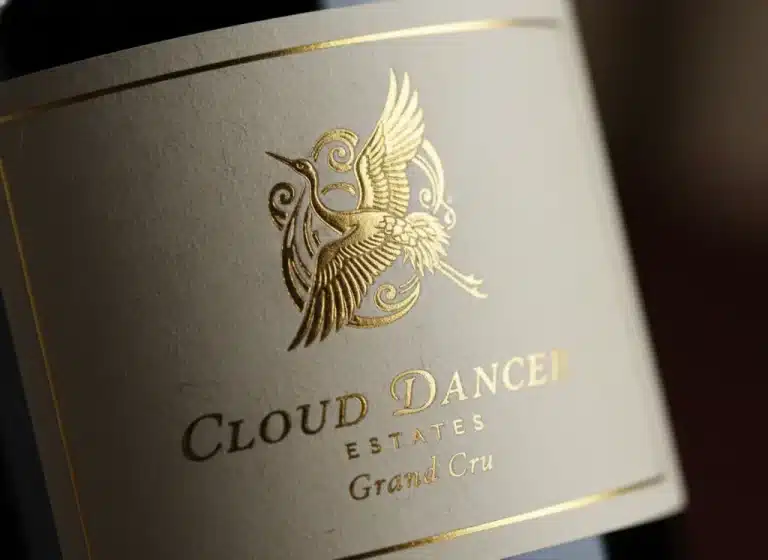
For brands that want holographic details without laminating the entire box, the choice often comes down to Cold Foil versus Hot Stamp.
Why do holographic packaging boxes perform so well on TikTok? The answer lies in the algorithm’s preference for high-engagement visuals.
A static cardboard box looks the same from every angle. A holographic box changes color as it moves. When an influencer holds your product and tilts it for the camera, that movement creates a “flash” of light—a visual trigger that captures attention.
Data from 2026 marketing trends suggests that “unboxing” videos featuring dynamic, light-reactive packaging see higher retention rates than those with static matte packaging. The “visual friction” of a holographic box forces the viewer’s brain to process the changing colors, creating a micro-moment of engagement that can be the difference between a scroll and a view.
By combining holographic laminate technologies with smart design principles, your brand can create packaging that isn’t just a container, but a content creator in its own right.