Address
304 North Cardinal
St. Dorchester Center, MA 02124
Work Hours
Monday to Friday: 7AM - 7PM
Weekend: 10AM - 5PM
Address
304 North Cardinal
St. Dorchester Center, MA 02124
Work Hours
Monday to Friday: 7AM - 7PM
Weekend: 10AM - 5PM
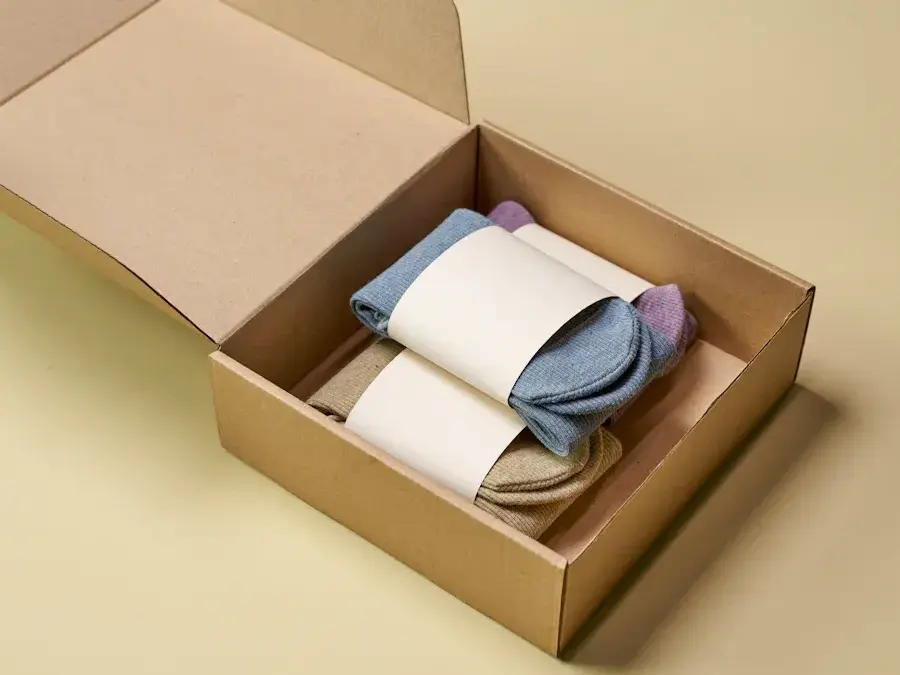
Custom packaging costs can range from $0.10 to hundreds of dollars per unit. You see prices vary because of what goes into each box—material, size, design, and how many you order. For example, here’s what you might expect:
| Packaging Type | Cost Range (per unit) |
|---|---|
| Entry-Level Packaging | $0.30 to $1.50 |
| Mid-Range Packaging | $2.00 to $5.00 |
| Premium Packaging | $6.00 to $20.00+ |
If you choose a bigger box or a fancy finish, the price goes up. When you order more units, your cost per box goes down. You can learn how to estimate your price and save money on custom packaging costs with simple steps.

Picking your packaging material is a big choice. Some materials are cheap and good for simple jobs. Others look nicer but cost more money. Here are the most common materials you will find:
Eco-friendly materials like corrugated cardboard and kraft paper usually cost less. Rigid boxes are the most expensive. They use more material and take more time to make. If you use normal shapes, you can save money.
Finishes also change the price. Matte and gloss finishes are cheaper. If you want embossing, debossing, spot UV, or foil stamping, you pay more. For example, matte gold foil stamping costs about 15–25% more than glossy finishes. Adding matte UV costs about 20% more than glossy UV. The more finishes you pick, the more you pay for Custom Packaging Costs.
Tip: Pick simple finishes and eco-friendly materials to save money.
Size is important for Custom Packaging Costs. Small boxes cost less to make and ship. Big boxes use more material and space, so they cost more. Here is a quick look at how size changes cost:
| Packaging Size | Cost Implication |
|---|---|
| Small | Usually cheaper to make and ship |
| Large | Can be cheaper if you order a lot |
Even small size changes can save you money. If you make your box three millimeters smaller, you can fit more on a pallet. This can save you a lot on shipping. Always make your packaging as small as you can, but still keep your product safe.
Note: Test your packaging with fake products to find the best size and avoid damage.
Mold and tooling fees are one-time costs for making custom shapes or finishes. These fees depend on the material and how hard the design is. For simple designs, you might pay $50 to $150 for each mold. Harder molds, like for injection plastics, can cost thousands.
| Project Size | Estimated Cost (USD) |
|---|---|
| Small | $1,000 – $5,000 |
| Medium | $5,000 – $20,000 |
| Large | $20,000 – $50,000 |
If you order a lot, you can spread these fees over more boxes. This makes each box cheaper. Small orders have higher costs per box because you cannot spread the fees as much. Hard designs need more expensive molds, so Custom Packaging Costs go up.
Tip: Use the same molds for repeat orders so you do not pay again.
Suppliers set a minimum order quantity, or MOQ, for each packaging type. You must order at least this many to get custom packaging. Here is a table with common MOQs:
| Packaging Type | Minimum Order Quantity (MOQ) |
|---|---|
| Mailer boxes, folding carton boxes | 100 units |
| Rigid boxes, magnetic rigid boxes, rigid drawer boxes, tray and sleeve boxes, display boxes, pillow boxes, cake boxes, custom pouches, foldable lid and base boxes | 300 units |
| Custom box inserts, custom foam inserts, custom box dividers | 300 units with boxes, 500 units for standalone inserts |
| Stickers & labels, packaging sleeves, paper bags, tissue paper, hang tags, printouts/brochures | 500 units |
| Cardboard tubes | 1000 units |

If you order more boxes, your cost per box goes down. For example, buying 100 boxes might cost $100 each. Buying 2,000 boxes can drop the price to $10 each. Bigger orders help you save on Custom Packaging Costs.
Design complexity changes your price. Simple shapes and one-color printing cost less. Custom shapes, many colors, and special inserts cost more. Here are some ways design complexity changes your price:
Custom shapes need special die-cutting. This uses more material and time. Printing with many colors uses better machines and materials. If you make your design simple or use smaller boxes, you can save money on Custom Packaging Costs and still look good.
| Design Feature | Description | Cost Range |
|---|---|---|
| Artwork Fees | Costs for putting custom designs on, based on how hard it is. | $150 to $2,000 |
| Tooling Fees | Costs for making dies for custom shapes and structures. | $300 to $2,500 |
Tip: Keep your design simple to save money.
Printing setup fees are charges for making custom printing plates or molds. These fees can add a lot to your total cost, especially if you have many designs. Offset printing is popular because it gives high-quality results with low setup costs. Flexographic printing needs more time for plate-making and setup, which raises costs for short runs.
If you order boxes with different artwork, you pay more because the printer must change plates. Ordering more boxes with the same design saves money. Offset printing works best for large orders and helps keep Custom Packaging Costs down.
Note: Ask your supplier about setup fees before you order. This helps you avoid surprises.
You should plan your packaging budget based on your product type. Many brands set aside 10–30% of their retail price for packaging. Here is a quick guide:
| Industry | Packaging Cost (% of Retail Price) |
|---|---|
| Cosmetics | 20% – 30% |
| Electronics | 3% – 7% |
| Food & Beverage | 5% – 10% |
| Apparel | 1% – 3% |
If you know your retail price, you can guess your Custom Packaging Costs and not spend too much.
Tip: Make your packaging budget early so you can make smart choices.
You will find that boxes come in many types and prices. The cost depends on the material, size, and how much you order. For example, folding cartons are light and cost less. Rigid boxes look fancy and cost more. Corrugated boxes work well for shipping and have a middle price.
| Type of Box | Cost Range (per unit) |
|---|---|
| Folding Cartons | $0.30 – $1.50 |
| Rigid Boxes | $2.00 – $7.00 |
| Corrugated Boxes | $0.75 – $3.00 |
| Mailer Boxes | $1.50 – $4.00 |
If you order a small folding carton for soap, you might pay $0.40 each. A large rigid box for a gift set can cost $6.00 or more. You can use an online quote tool to see how your choices change the price.
Tip: Choose the right box for your product to balance cost and appearance.
Bags are a simple and flexible packaging choice. Paper bags cost less than fabric or reusable bags. The size and print also change the price. For example, a small kraft paper bag may cost $0.20 each. A large, printed fabric bag can cost $2.00 or more.
You can save money by picking simple designs and ordering more units.
Mailers protect your products during shipping. You can pick from different materials like corrugated, compostable, or recycled paperboard. The price changes with the material and size.
| Type of Mailer | Cost Range (per unit) |
|---|---|
| Corrugated Mailers | $0.50 – $2.00 |
| Compostable Mailers | $0.75 – $2.50 |
| Recycled Paperboard | $0.60 – $2.00 |
A basic mailer for a T-shirt might start at $0.35 each. If you want a compostable mailer for eco-friendly shipping, you might pay $1.00 each. More complex mailers with extra padding or custom prints cost more.
Inserts keep your products safe and make your packaging look better. You can choose from paperboard, foam, cardboard, or molded pulp. Each type has a different price.
| Insert Type | Price Range (per unit) |
|---|---|
| Paperboard Inserts | $0.25 – $1.50 |
| Foam Inserts | $0.60 – $4.00 |
| Cardboard Inserts | $0.40 – $2.00 |
| Molded Pulp Inserts | $0.55 – $3.50 |
A simple paperboard insert for a candle box may cost $0.30 each. A custom foam insert for electronics can cost $2.00 or more. When you add inserts, remember they increase your Custom Packaging Costs, but they also protect your products.
Note: Always match your insert type to your product’s needs for the best value.
You can estimate your packaging costs by following these simple steps:
Tip: Write down each step and get quotes from suppliers for every part.
Let’s look at a simple example for 500 custom folding cartons:
| Cost Item | Cost per Unit | Total Cost |
|---|---|---|
| Material & Printing | $0.60 | $300 |
| Mold/Tooling Fee | $100 (one-time) | $100 |
| Shipping | $0.15 | $75 |
| Total | $475 |
To find your cost per box, add all costs and divide by the number of boxes:
($300 + $100 + $75) ÷ 500 = $0.95 per box
Many people make errors when estimating packaging costs. Watch out for these:
Note: Always double-check your order details and test your packaging before full production. This helps you avoid costly surprises with Custom Packaging Costs.

If you buy more packaging at once, you pay less for each piece. Suppliers give better prices when you order a lot. The table below shows how the price drops as you order more:
| Order Quantity | Per-Unit Price |
|---|---|
| 100 units | $0.50 |
| 1,000 units | $0.40 |
| 10,000 units | $0.30 |
Tip: Try to plan ahead and buy in bulk. This way, you save money on Custom Packaging Costs.
Picking the right material can save you money. Some materials are cheap but still keep your products safe. Check this table to see popular choices:
| Material | Benefits | Cost Considerations |
|---|---|---|
| Corrugated Cardboard | Strong, good for heavy things, comes in many sizes | Cheap and used a lot |
| Paperboard | Light, works well for stores, good for small items | Low price, helps with branding |
| Poly Mailer Bags | Keeps water out, light, safe for shipping | Makes shipping cheaper |
Choose materials that match your needs and budget. Corrugated cardboard is best for shipping. Paperboard works for store boxes. Poly mailer bags help you spend less on shipping.
Simple designs cost less to make. You use less material and waste less. Here are ways to make packaging simpler:
Note: Simple designs save money and keep your products safe.
Compare suppliers before you buy. Look at these things:
You can also order from more than one supplier. Set clear goals and combine orders to get better prices.
Look out for extra costs that may not show up at first. These can include:
Shipping terms and sampling fees also change your total cost. Heavy packaging costs more to ship. Sampling fees add up if you need many samples.
Tip: Always ask your supplier for a full list of costs. This helps you avoid surprises and control your Custom Packaging Costs.
You now know what changes Custom Packaging Costs.
“If you pick good packaging and spend wisely, you can help your brand and save money.”
Follow the steps and tips in this guide to plan your packaging. You can start now by asking for a price or talking to a packaging expert about your ideas.
You can lower costs by ordering in bulk, choosing simple designs, and picking affordable materials. Ask your supplier for cost-saving tips. Compare quotes from different companies before you decide.
Most suppliers set a minimum order. For boxes, you often need to order at least 100 to 300 units. For bags or labels, the MOQ can be 500 or more. Always check with your supplier.
No, you pay mold or tooling fees only once for each design. If you reorder the same design, you do not pay this fee again. This helps you save money on repeat orders.
Suppliers spread setup and production costs over more units. When you order more, each box costs less to make. Bulk orders help you get the best price.
Watch for shipping, sampling, and setup fees. Some quotes do not include delivery or customs charges. Always ask for a full cost breakdown before you order.