Protection vs. Presentation: Custom box inserts are not just for safety; they are a critical component of the “unboxing” marketing strategy.
Material Selection: Choose EVA foam for luxury electronics, Molded Pulp for eco-conscious brands, and Sponge for lightweight budget items.
Financial Impact: High-quality inserts reduce return rates. Industry data shows that 58% of consumers are deterred from repeat purchases by damaged packaging.
Sustainability Premium: Modern consumers are willing to pay up to 9.7% more for products with sustainable packaging components like paper pulp or cardstock.
Introduction: The Forgotten Hero of Packaging
It is a common scenario in the manufacturing world: a brand spends months perfecting a custom rigid box, only to realize at the last minute that the product is rattling inside. Custom box inserts are often the “forgotten hero” of the packaging process. However, at Kore Create, we view the insert as the heart of the package.
An insert does more than just prevent breakage; it defines the product’s perceived value. Whether you are shipping high-end electronics, delicate cosmetics, or heavy industrial parts, the material you choose for your internal dunnage dictates the customer’s first impression. In this guide, we break down the four primary types of custom box inserts to help you make an informed manufacturing decision.
EVA Foam (The High-End Choice)
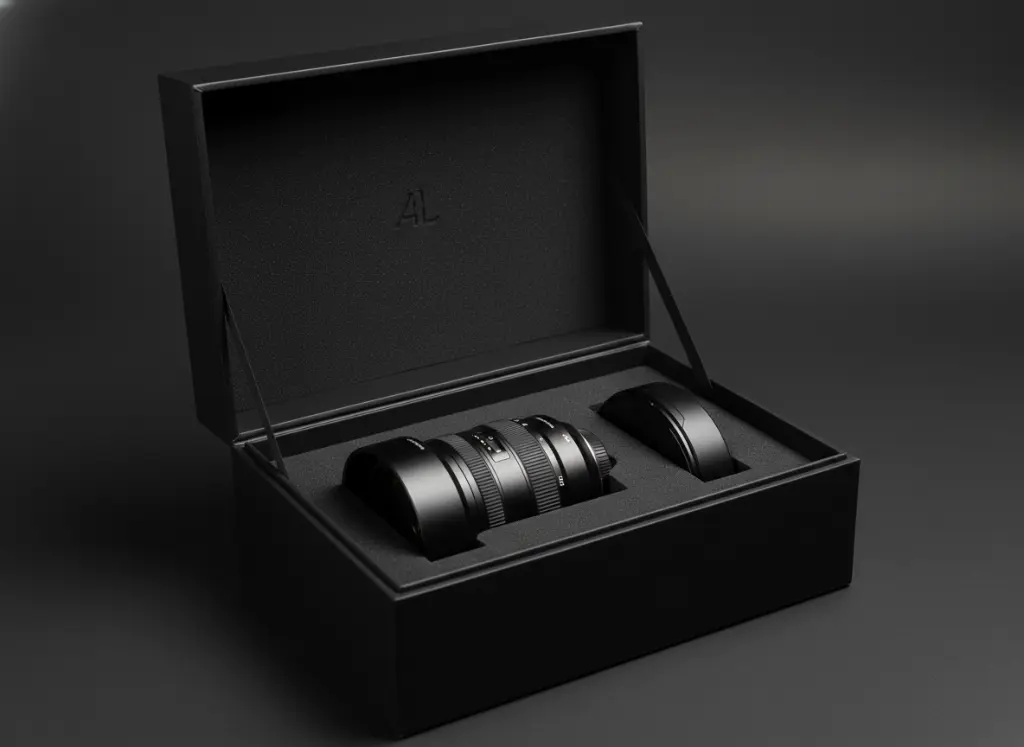
When “premium” is the primary goal, EVA (Ethylene Vinyl Acetate) foam inserts are the industry standard. This is a high-density, closed-cell foam that offers a clean, surgical-grade finish. Unlike cheaper foams, EVA does not “shed” particles, making it ideal for sensitive optics and electronics.
The Feel: Dense, firm, and smooth. It can be die-cut or CNC-milled to the exact millimeter of your product.
Customization: Often topped with a layer of velvet or silk for a luxury feel.
Best For: Smartphones, high-end watches, medical instruments, and luxury perfumes.
Pro Tip: At Kore Create, we recommend EVA for any product weighing over 1lb that requires a “locked-in” presentation.
Sponge / PU Foam (The Budget Choice)
Polyurethane (PU) foam, commonly referred to as sponge, is an open-cell material that is significantly softer and more flexible than EVA. It is the go-to solution for brands that need high-volume protection on a tighter budget.
The Feel: Light, airy, and highly compressible. It feels like a traditional cleaning sponge.
Protection: Excellent for lightweight, fragile items like glassware or ceramics where “cushioning” is more important than “positioning.”
Best For: Lightweight gift sets, promotional items, and e-commerce mailers.
Trade-off: It lacks the “clean lines” of EVA and may appear less “premium” during the unboxing process.
Molded Pulp (The Eco-Friendly Choice)
As global regulations tighten around single-use plastics, paper pulp trays have transitioned from “egg cartons” to high-tech design elements. Made from 100% recycled paper or sugarcane bagasse, molded pulp is the ultimate statement in sustainability.
The Trend: The molded fiber market is projected to reach $11.51 billion by 2029, driven by the electronics and food sectors.
The Aesthetic: It offers a “raw,” organic look that resonates with Gen Z and Millennial shoppers.
Environmental Impact: Fully biodegradable within 90 days and easily recyclable in curbside bins.
Best For: Sustainable skincare, organic food products, and eco-conscious consumer tech.
Paper Cardstock (The Foldable Choice)
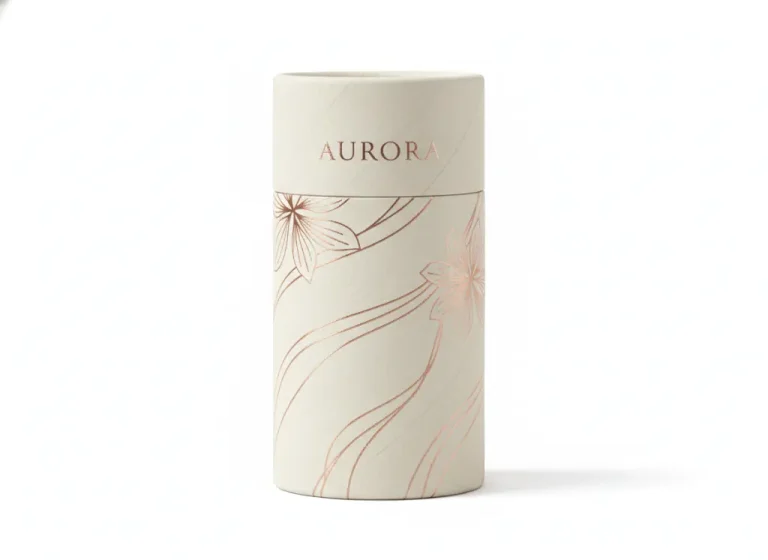
Cardstock inserts are the most cost-effective and versatile option for lightweight retail products. These are typically made from the same material as the box itself, allowing for a seamless, monochromatic look.
Structural Design: These inserts rely on clever folding patterns to create “steps” or “platforms” for the product.
Recyclability: Since they are 100% paper, they are the easiest for the end-consumer to dispose of responsibly.
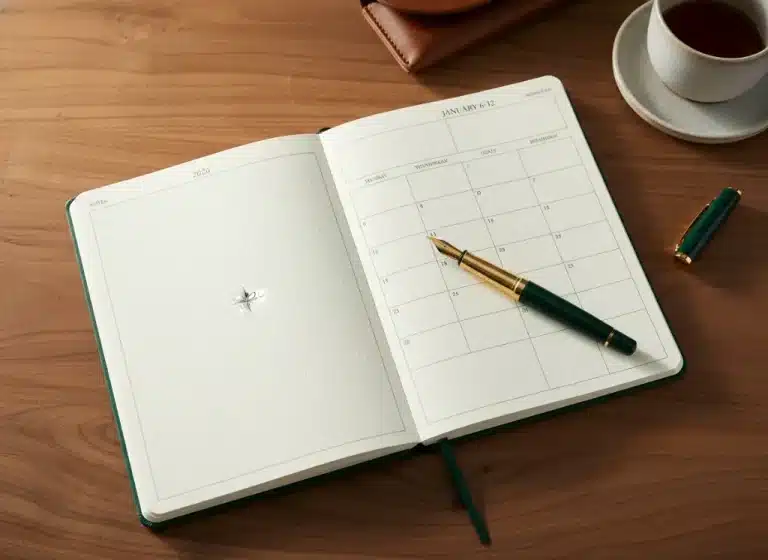
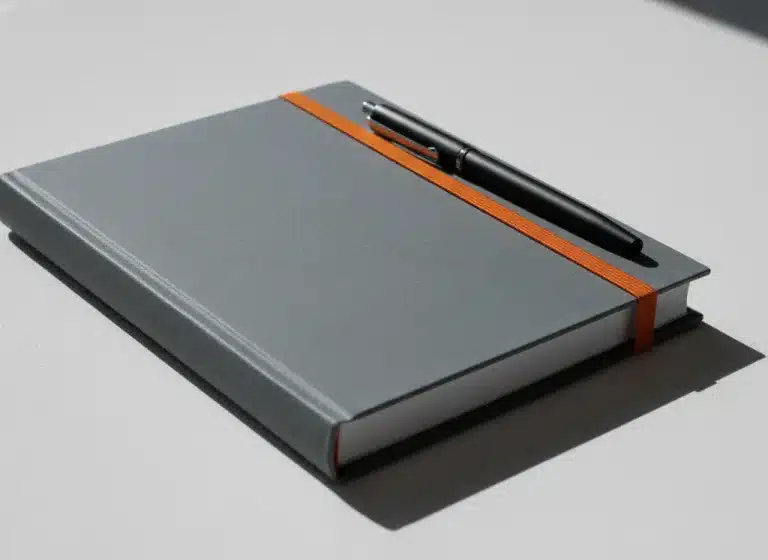
Best For: Cosmetics (lipsticks, eyeliners), lightweight pharmaceuticals, and small stationery items.
Data-Backed Evidence: Why Inserts Save Your Bottom Line
Investing in custom box inserts is not just an aesthetic choice; it is a financial strategy. According to industry research:
Repeat Purchase Power: A study by JP Graphics indicates that 61% of consumers are more likely to repurchase a luxury product if it arrives in premium packaging.
The Cost of Damage: Inadequate stabilization (dunnage) costs the CPG industry an estimated $388 million annually in product damage.
Consumer Preference: 72% of American consumers admit that packaging design influences their final purchase decision.
Sustainability Premium: According to a 2024 PwC survey, consumers are willing to pay an average of 9.7% more for products that utilize sustainable materials like molded pulp.
Conclusion: Engineering the Perfect Fit
Choosing the right custom box inserts requires a balance between your budget, your product’s fragility, and your brand’s environmental stance. At Kore Create, we specialize in helping brands navigate these choices during the design phase to ensure that your “forgotten hero” becomes your strongest brand ambassador.
Don’t let your product rattle. Secure your brand’s reputation with a custom-engineered interior that reflects the quality of what’s inside.
Ready to upgrade your unboxing experience?Contact Kore Create today for a consultation on the best insert material for your next project.