Address
304 North Cardinal
St. Dorchester Center, MA 02124
Work Hours
Monday to Friday: 7AM - 7PM
Weekend: 10AM - 5PM
Address
304 North Cardinal
St. Dorchester Center, MA 02124
Work Hours
Monday to Friday: 7AM - 7PM
Weekend: 10AM - 5PM
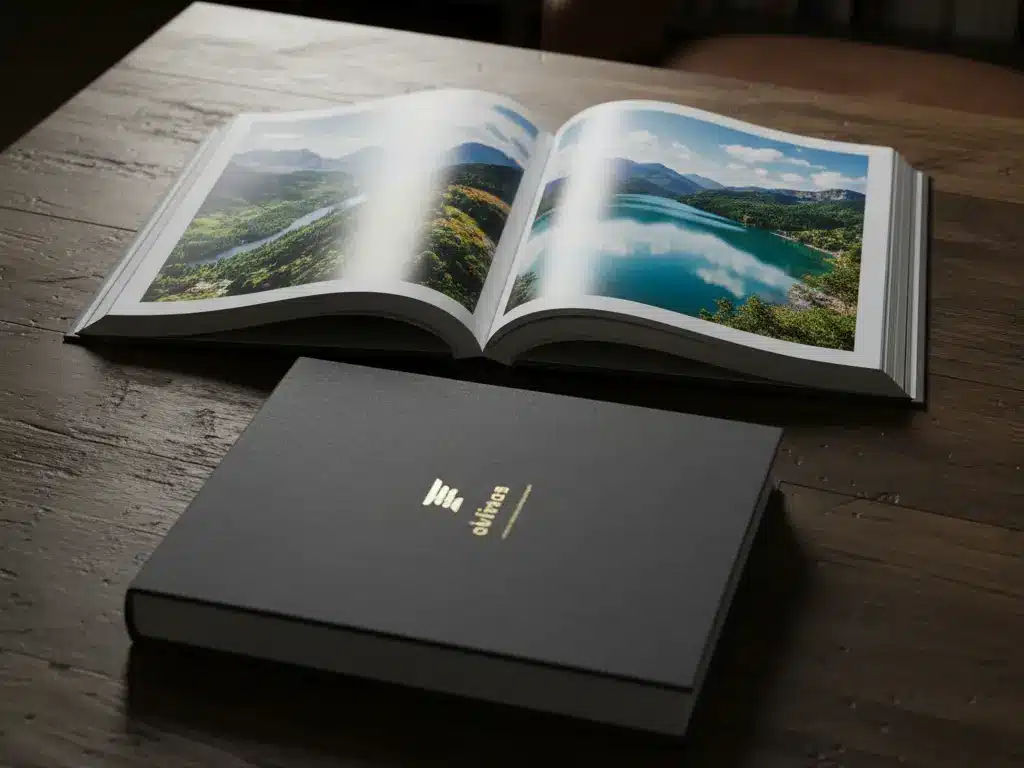
In the world of commercial publishing and brand marketing, the hardcover book stands alone. It is more than just a catalog or a portfolio; it is a permanent asset, a physical embodiment of your corporate culture, and a testament to your attention to detail.
Whether it’s a high-end art portfolio, a corporate annual report, or a luxury product catalog, producing a hardcover book requires a delicate balance of artistic vision and technical precision. At Kore Create, we specialize in turning these visions into tangible masterpieces. This guide will walk you through the critical steps of creating a hardcover book that commands respect.
A flawless print job starts long before the ink hits the paper. Great design attracts attention, but technical accuracy ensures readability and quality.
Beyond aesthetics, readability is king. Choosing the right font pairing sets the tone. Ensure your layout allows for ample margins, especially near the “gutter” (the center fold), so text doesn’t get lost in the binding.
High-quality imagery is non-negotiable. Ensure all photos are at least 300 DPI to prevent blurriness. Color management is equally crucial—converting your RGB screen colors to the CMYK print color space is essential for accuracy. This is where our pre-press checklist becomes a vital resource for designers.
The choice of printing method defines the quality and cost-efficiency of your project.
This is where a book truly becomes a luxury object. The tactile experience is just as important as the visual one.
To make your cover pop, consider adding special effects:
The durability of a hardcover book depends on its binding.
Creating a hardcover book is an investment. Factors like paper stock (Coated vs. Uncoated), page count, and special finishes all impact the budget. However, a well-produced book has a long shelf life and high perceived value.
At Kore Create, our quality control process spans from file inspection to the final bindery check, ensuring every copy is perfect.
A hardcover book is a legacy piece for your brand. By combining thoughtful design with advanced printing technology and expert binding, you create something that people want to keep, display, and value.
Ready to publish your masterpiece? Request a quote for your hardcover book project today.