Address
304 North Cardinal
St. Dorchester Center, MA 02124
Work Hours
Monday to Friday: 7AM - 7PM
Weekend: 10AM - 5PM
Address
304 North Cardinal
St. Dorchester Center, MA 02124
Work Hours
Monday to Friday: 7AM - 7PM
Weekend: 10AM - 5PM
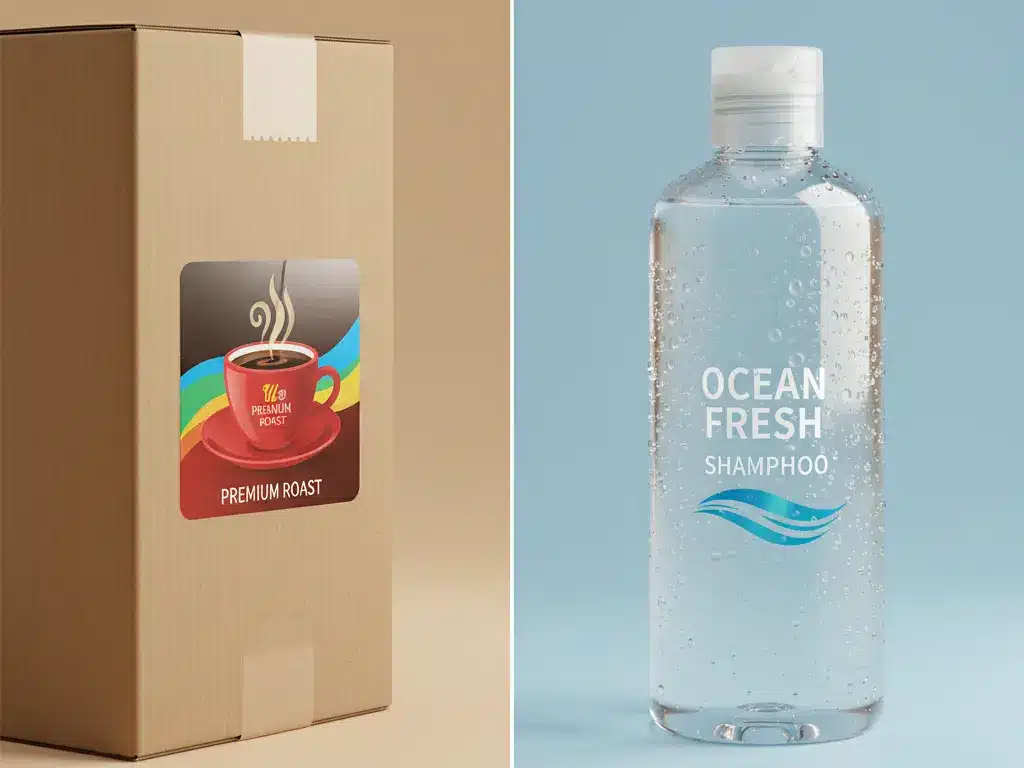
In the world of custom packaging, the self-adhesive label (sticker) is the most versatile tool for branding. From shampoo bottles to food jars, labels are everywhere.
However, as demand grows, so does the variety of materials. For business owners and procurement managers, the choice usually comes down to two main categories: Paper-Based Labels and Film-Based (Synthetic) Labels. Choosing the wrong one can lead to labels peeling off in the shower or wrinkling in humid conditions.
Here is a breakdown of these two categories to help you choose the right material for your product.
Paper materials are the most common and cost-effective option in the printing market. They are primarily used for products that are stored in dry environments and have a shorter shelf life.
As brands move towards high-end positioning, Transparent and Synthetic Film labels have exploded in popularity. These are made from plastics like PE (Polyethylene), PP (Polypropylene), or PVC.
The right technology depends on your budget and your product’s environment.
Correctly choosing between these two will ensure your product stands out in the fierce market competition.
Still unsure? Contact our label experts, and we will recommend the perfect material for your specific application.