Address
304 North Cardinal
St. Dorchester Center, MA 02124
Work Hours
Monday to Friday: 7AM - 7PM
Weekend: 10AM - 5PM
Address
304 North Cardinal
St. Dorchester Center, MA 02124
Work Hours
Monday to Friday: 7AM - 7PM
Weekend: 10AM - 5PM
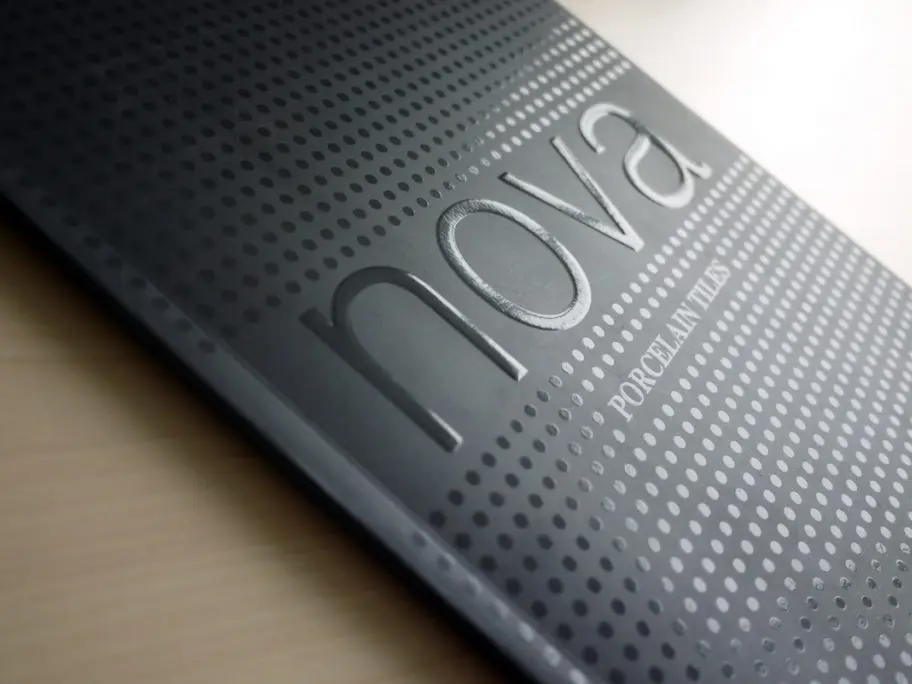
In the printing industry, “UV” often refers to two things: the glossy “Spot UV” finish that adds shine to a logo, and the “UV Printing” technology used to cure ink. Both are game-changers for product packaging.
Unlike traditional printing that relies on air drying, UV printing uses ultraviolet light to dry ink instantly. At Kore Create, we utilize this technology not just for its speed, but for the superior quality and durability it brings to your packaging. Let’s explore the top 5 advantages of switching to UV printing technology.
UV inks sit on top of the material rather than being absorbed into it. This results in sharper dots, higher color consistency, and incredibly vibrant hues. Whether it’s a complex gradient or a solid brand color, UV printing delivers a high-fidelity reproduction that traditional offset sometimes struggles to match.
Time is money. Because UV curing is a photochemical reaction that happens instantly under UV lamps, there is no need for heat sources or long drying times. This means your packaging can move immediately to the next stage—cutting, creasing, or gluing—without waiting. This significantly shortens turnaround times.
Sustainability is a major trend. UV curing systems are 100% solvent-free and release almost no Volatile Organic Compounds (VOCs). This makes UV printing a green technology that complies with strict environmental regulations, creating a safer workplace and a more sustainable product for your brand.
Once cured, UV ink forms a strong polymer network. This creates a print layer that is highly resistant to scratches, chemical corrosion, wear, and aging. For custom cosmetic boxes that are handled frequently, UV printing ensures the packaging looks pristine from the shelf to the customer’s home.
This is perhaps the biggest advantage. Because the ink dries instantly, it doesn’t need to soak into the material. This allows Kore Create to print on non-absorbent substrates like polyethylene (PE), vinyl, metallic foils, glass, and plastics—materials that traditional ink would simply slide off of.
Why is UV replacing traditional methods in many sectors? Here is the breakdown:
UV printing offers a trifecta of benefits: better quality, faster speed, and wider material options. It is the ideal choice for brands looking to create premium, durable, and eco-friendly packaging.
Ready to see the difference UV can make? Contact Kore Create today to discuss your packaging project.